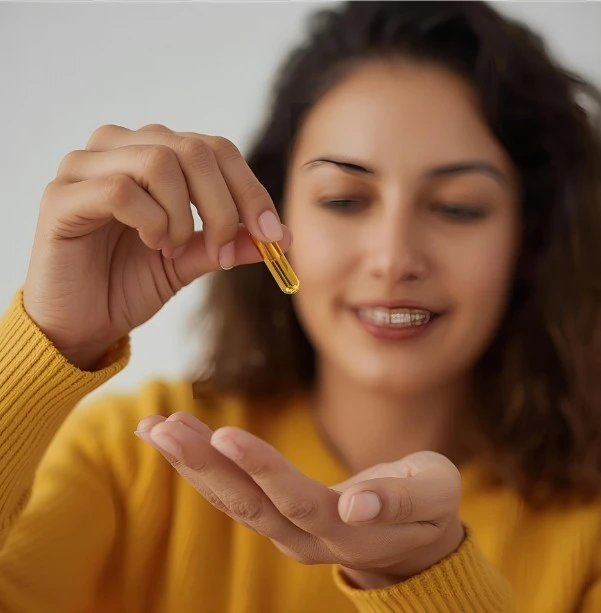
Prenatal vitamins contain all the essential vitamins and minerals your body needs during pregnancy. All pregnant women are advised to take vitamins to support a healthy pregnancy. With so many to choose from, though, it can be difficult to know which prenatal vitamin is right for you and your baby.
You must take folic acid vitamins for at least the first trimester, to support healthy fetal development in early pregnancy. You should also take a vitamin D supplement daily because lifestyle changes mean many people don’t get enough of this essential vitamin.
What are prenatal vitamins?
Prenatal vitamins are nutritional supplements that have been specially formulated to meet the needs of pregnant women and their developing babies. They contain higher levels of certain vitamins and minerals, such as folic acid, to support healthy fetal development.
What are the most important prenatal vitamins in 2025?
There are many prenatal vitamins on the market, and they contain different combinations of vitamins and minerals. It can be tricky to decide which are the right ones for you.
A review published in the Drugs & Therapeutics Bulletin concluded that the only necessary vitamin supplements for healthy pregnant women in the developed world were folic acid and vitamin D. The researchers believed it would be better for women to focus on improving their overall diet and health rather than take a prenatal multivitamin.
The two essential supplements for pregnant women are:
- Folic acid. This form of B-group vitamin is essential for healthy neural tube development. Women are advised to start taking a daily dose as soon as they start trying to conceive, and to continue taking it for at least the first 12 weeks of pregnancy. This reduces the risk of neural tube defects such as spina bifida
- Vitamin D. This vitamin supports the formation of your baby’s healthy bones, teeth, organs and nervous system. Many people suffer from low levels of vitamin D, which is why experts recommend all pregnant women should increase their dose of this essential vitamin during pregnancy.
Things to consider when choosing prenatal vitamins
There are various options to consider when selecting prenatal vitamins:
- Recommended Dietary Allowance (RDA)
A study published in Maternal Health, Neonatology and Perinatology found that prenatal vitamins varied widely in content. Surprisingly, the levels of essential vitamins found in prenatal vitamins were often well below the recommended intake during pregnancy. It’s essential to check the labels and make sure the vitamins contains sufficient amounts of the necessary ingredients - Taste
If you’re suffering from pregnancy nausea, you might want to avoid prenatal vitamins that leave you feeling even more nauseous. If your prenatal vitamins are to be effective, you must take them and keep them down, so choose ones you can tolerate - Budget
Prices for vitamins vary widely between brands. You don’t need to break the bank to buy vitamin supplements that will support your baby’s development; the cheaper ones will often be just as effective.
The benefits of prenatal vitamins
You might be wondering, ‘What do prenatal vitamins do for women?’ These are the main benefits of taking them:
- To support a healthy pregnancy
Folate and vitamin D are essential for healthy fetal development. Other vitamins and minerals can also support both fetal and maternal health during pregnancy - To provide peace of mind
Don’t underestimate the value of peace of mind, especially when you’re pregnant. Knowing you’re getting the right vitamins and minerals for health development gives you one less thing to worry about - To complement a healthy lifestyle
While you’re busy focusing on eating a healthy diet, getting enough exercise, and plenty of sleep, your vitamins can fill any nutritional gaps. This can be especially reassuring if you’re battling morning sickness and are struggling to eat as well as you might like.
What is the difference between taking prenatal vitamins and multivitamins?
The two vital prenatal supplements are folic acid and vitamin D. Some women choose to take just these two vitamins; others prefer to take a daily multivitamin specially designed for pregnancy. These can contain a mix of vitamins and minerals beneficial for pregnant women and their developing babies. Not all brands of multivitamin are created equal, however, so it’s worth doing your homework before buying anything. Make sure you choose a multivitamin designed for pregnant women, and make sure it contains the correct amount of prenatal vitamins and minerals.
What to look for in prenatal vitamins?
Here are some ingredients you might want to look out for when choosing prenatal vitamins:
Folic acid, folate or vitamin B9 (400 mcg)
Folic acid and folate (both are forms of vitamin B9 or folacin) are important for neural tube development in the first trimester, especially during the first 12 weeks. Folate is the naturally occurring version found in dark leafy greens, beans, and lentils. Whereas folic acid is produced in a lab synthetically. Your body doesn’t store folate, so it’s essential to take a daily folic acid dose during the first trimester.
For more information, read our article Folic Acid for Pregnancy – Facts You Must Know.
Vitamin D (400 IU)
Vitamin D generally comes from sun exposure, but lifestyle changes mean many people struggle to get enough of this essential vitamin. Vitamin D deficiency can have a negative impact on your baby’s development, which is why experts recommend all pregnant women take a daily dose of vitamin D.
For more information, look at Vitamin D During Pregnancy | 5 FAQs Answered.
Calcium (1,000 mg)
Calcium is vital for the healthy development of your baby’s bones and teeth, so it’s important to make sure you get enough during pregnancy. Many prenatal vitamins contain calcium but it’s also important to include healthy sources of calcium in a well balanced diet. Dairy products, some leafy green vegetables, and calcium-fortified foods are great sources of dietary calcium.
Take a look at our article Calcium & Pregnancy | Why It Is Critical To Take It.
Iodine or potassium iodate (150 mcg)
Iodine is important for the healthy functioning of the thyroid. Maternal thyroid hormone levels affect fetal growth and brain development, so it’s important to get enough of this essential mineral. Not all prenatal vitamins contain potassium iodate, so you’ll need to check the ingredients to find one that contains sufficiently high levels of iodine. Seafood, dairy products and iodised salt are good as dietary sources.
Find out more at Iron Deficiency And Pregnancy – What You Must Know.
Iron (27 mg)
Low iron can leave you feeling tired, and you could even develop anaemia. The World Health Organization estimates that more than one third of pregnant women suffer from anaemia. Taking a prenatal multivitamin that contains iron can reduce your risk of developing anaemia, but remember that iron supplements can also have side effects on your digestive system. Iron rich foods include red meat, fish and poultry, lentils, beans, dark leafy greens and fortified foods.
For more information, check out Iron Intake During Pregnancy – 6 FAQs Answered.
Omega-3 fatty acids (115 mg)
Omega-3 fatty acids are crucial for fetal health and retina development. Oil fish, flaxseeds, chia seeds, walnuts and fortified foods are good sources of Omega-3 fatty acids. Taking a daily dose of vitamins will make sure you are getting enough to support healthy fetal brain development. A Cochrane review found that taking Omega-3 supplements during pregnancy lowered the risk of preterm birth.
You can find out more about this at How To Prevent Premature Birth | New Study on Omega-3.
Vitamin B12 (2.6 mcg)
If you eat a vegan diet, you should take a daily B12 supplement during pregnancy to be sure you have adequate levels of vitamin B12. If you’re not on a vegan diet, it’s unlikely you’ll need to supplement B12 unless your doctor has advised you to.
You can find out more by reading Vitamin B and Pregnancy.
Zinc (11mg)
Zinc is vital for your baby’s brain development and cell division, so it’s crucial for a healthy pregnancy. Zinc is also essential for a strong immune system, so it’s an important mineral to keep you healthy during pregnancy. Good dietary sources of zinc are red meat, shellfish, poultry, dairy products, fortified cereals, beans and nuts.
When should I start taking prenatal vitamins?
You should start taking prenatal supplements as soon as you discover you’re pregnant. In fact, you should start taking folic acid as soon as you start trying for a baby. Don’t worry if you haven’t started taking it yet; it’s not too late. Generally, prenatal vitamins are safe to take throughout pregnancy but it’s worth checking the label to be on the safe side.
When is it too late to take prenatal vitamins?
It’s never too late to start taking prenatal vitamins. Although folic acid is necessary during the first 12 weeks, to prevent neural tube defects, it can still support healthy fetal development later in the pregnancy.
You might think you need to stop taking your prenatal vitamins after the birth of your baby but, in fact, some are designed to support healthy breastfeeding, too. Check the pack to see what the manufacturer recommends.
What are the 7 best prenatal vitamins in 2025?
There are lots of prenatal supplements available, but here are BellyBelly’s top seven:
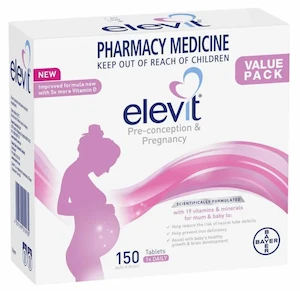 1. Elevit pregnancy multivitamin
Elevit is one of the most well known brands for prenatal vitamins in Australia, making it a household name. Elevit’s prenatal supplement contains vitamin D, folic acid, iron and 16 other essential nutrients, including selenium, potassium iodate, and magnesium.
The pre-conception and pregnancy multivitamin is safe to take when you’re trying to conceive, which means you can protect your baby from day one. The once-a-day tablet contains the essential nutrients to support a healthy pregnancy.
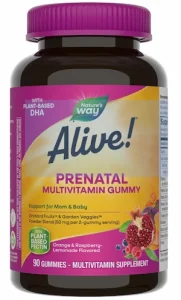 2. Nature’s Way Alive! Prenatal gummies multivitamin
The Alive! prenatal gummy multivitamin from Nature’s Way contains 14 vitamins and minerals, including folate, vitamin E and zinc. The great tasting twice-a-day gummy vitamins are easy to stomach, even if you have morning sickness, making them ideal for pregnancy.
The specially formulated gummies are suitable for taking pre-conception and during pregnancy. The gelatine-free gummy vitamins are the perfect way to support healthy fetal development. These tasty gummies are also suitable for breastfeeding women, so you can keep taking them after the birth.
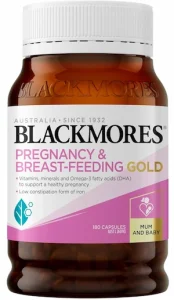 3. Blackmores Pregnancy & Breastfeeding Gold
Blackmores Pregnancy & Breastfeeding Gold prenatal and breastfeeding supplement contains 20 important nutrients, including folic acid, iodine and vitamin D3. The Omega-3 DHA supports brain and nervous system development.
The low-constipation iron reduces your risk of pregnancy anaemia without the nasty digestive side effects. Blackmores prenatal vitamins contain 500 mcg of folic acid for healthy neural tube development and 150 mcg of iodine for healthy brain development. The odourless concentrated fish oil provides plenty of DHA for healthy brain development.
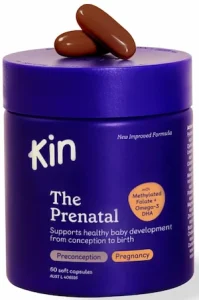 4. Kin The Prenatal
Kin: The Prenatal contains 12 highly bioavailable ingredients to meet your nutritional needs during pregnancy and preconception. As many as one in three people have trouble absorbing folic acid, so The Prenatal contains activated methylated folacin instead, to support early neural development.
Kin The Prenatal contains low-constipation iron, so you don’t need to skip the iron altogether. The Prenatal also contains omega-3 for brain growth and choline for brain development. The subtle vanilla flavour tastes nicer than some types of multivitamin, making it a great choice for those with a sensitive stomach.
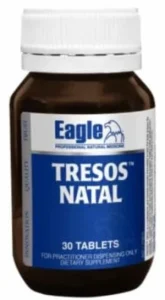 5. Eagle Tresos Natal
Tresos Natal is an advanced multivitamin and vitamin complex specially designed to support you from conception to motherhood. It can help prepare the body for pregnancy, support healthy fetal development, and support maternal health during pregnancy.
This vegan friendly prenatal vitamin contains iodine, zinc, selenium, B vitamins and folacin. You should take one tablet daily with a meal.
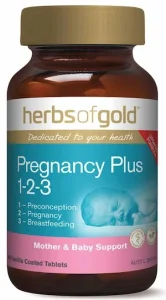 6. Herbs of Gold Pregnancy Plus 1-2-3 breastfeeding multivitamin
Herbs of Gold Pregnancy Plus 1-2-3 is designed for use during the preconception, prenatal and postpartum periods. This fabulous all-in-one supplement is formulated to support the health of both mother and baby. The vanilla coated tablet won’t leave an unpleasant taste in your mouth.
This premium multivitamin contains 22 nutrients to help meet the nutritional demands during pregnancy and breastfeeding. Pregnancy Plus 1-2-3 contains vitamin B9 acid and methylfolate, which are more widely absorbed than folic acid.
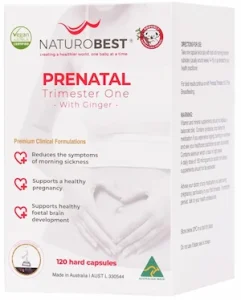 7. Naturobest preconception multi for women or Prenatal Trimester One
These prenatal vitamins contain morning sickness relief. Yes, please! This ingenious product provides ample vitamins and minerals and contains a burst of ginger to soothe your pregnancy nausea. If you’re struggling to keep your prenatal supplements down, this might be the answer.
Prenatal Trimester One with Ginger doesn’t include iron, which is known to aggravate the symptoms of pregnancy nausea. This Australian-made vitamin contains 500 mcg of vitamin B9, as well as the patented Quatrefolic, which means you can rely on this supplement. It’s an award-winning prenatal supplement that’s also suitable for vegans.
Are there any side effects to prenatal vitamins?
Not all prenatal vitamins cause side effects, although some can. Prenatal vitamins containing iron can cause digestive discomfort, such as constipation, nausea and bloating. Folic acid, an essential prenatal supplement, can also cause digestive discomfort. If you notice any side effects after taking your prenatal vitamins, ask your healthcare provider for advice.
Is it okay to take prenatal vitamins long-term?
No. Prenatal vitamins are carefully designed to contain all the vitamins and minerals your body needs during pregnancy. They aren’t designed for long-term use.
Is it harmful to take prenatal vitamins when not pregnant?
Prenatal vitamins are specially formulated for women during pregnancy, and when they’re breastfeeding or trying to conceive. Prenatal vitamins contain higher levels of certain vitamins and minerals that you and your baby need during pregnancy, but which could cause problems if taken at high doses, long-term, when you’re not pregnant. Consult your doctor for recommendations about which supplements to take after giving birth.