When you’re trying to conceive, you pay close attention to every niggle, keen to work out whether this is your month and you will have a positive result.
If you know the common signs of implantation and how the process of implantation occurs, you will have a better understanding of your own fertility.
What is implantation?
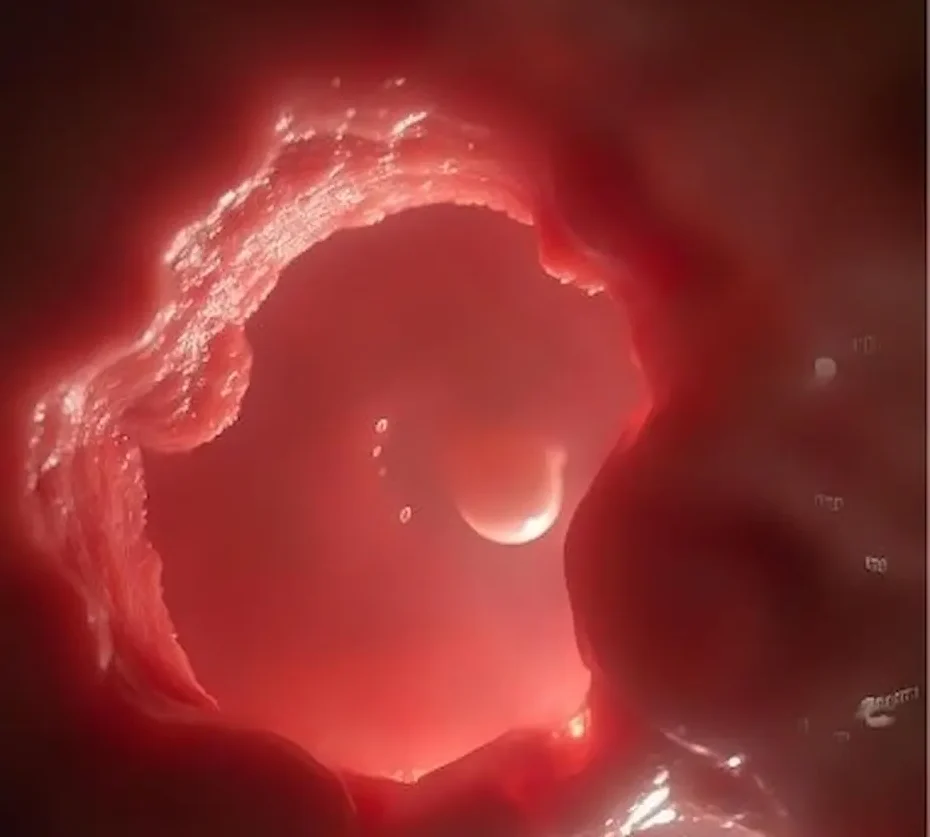
Implantation occurs when an egg travels through the Fallopian tube and is fertilised. The fertilised egg attaches itself to the lining of the uterus. This process signals to your body that it’s time to start producing the human chorionic gonadotropin (hCG), the hormone that helps maintain a hospitable environment for early pregnancy.
When does implantation happen?
Implantation usually occurs between 6 and 12 days after ovulation, although the exact timing varies between women. The first signs of implantation usually occur within the first few weeks after fertilisation. According to an older study, published in the New England Journal of Medicine, late implantation is associated with an increased risk of miscarriage.
Implantation symptoms, signs and timeline
Understanding more about human reproduction will make you more aware of the changes happening in your body. Knowledge is power, and knowing more about the process of implantation at the start of a healthy pregnancy is important.
It usually occurs within 6 to 12 days after ovulation, when a fertilized egg gradually embeds itself. For some pregnant women, common symptoms of light pink or dark brown spotting, or vaginal bleeding might occur; this is also referred to as implantation bleeding.
You might experience cramping, or a tugging sensation in the lower belly. You might also feel tired, develop breasts tenderness, or experience mood swings because of rising hormone levels. Most women feel no symptoms at all, and that is fine as well.
When implantation is complete, hCG levels begin to rise; while it’s so tempting to overthink every little twinge, try to be kind to yourself during the two week wait.
What are the signs of implantation?
You’re probably keen to know whether you’ve had a successful implantation process, especially if you’ve been trying to conceive for a while. Unfortunately, although you probably won’t notice any of the subtle signs of implantation, there are some you can look out for, such as:
Implantation bleeding
Not all women experience implantation bleeding. According to a 2025 article published in the Journal of International Medical Research, implantation bleeding occurs in around a quarter of all pregnancies.
Implantation bleeding:
- Is light spotting or light bleeding
- Is pink or brown of varying shades (not bright red as experienced with your menstrual period)
- Generally only lasts a day or two.
Implantation bleeding is normal and nothing to worry about. It’s also only present in about a quarter of pregnancies, so if you don’t experience implantation bleeding it isn’t a sign that you’ve been unsuccessful in that particular month.
Find out more in BellyBelly’s article Implantation Bleeding | Everything You Need To Know.
Implantation cramps

Implantation cramps are gentle cramps that occur around the time of ovulation. You might notice cramping in your lower back around the time of implantation. However, it’s easy to mix them up with PMS cramps, so it’s not a definite sign of a successful implantation.
Some women report tugging, tingling or mild abdominal pain around the time the embryo implants; however, it’s difficult to pinpoint the exact moment or to say with certainty that it’s the result of successful implantation.
Other symptoms of implantation
Remember, not all women experience implantation symptoms, so if you don’t experience implantation symptoms it doesn’t mean you haven’t conceived. It’s also worth keeping in mind that several signs of implantation are similar to PMS.
Other potential symptoms of implantation are:
- Nausea
- Fatigue
- Mood swings
- Tender breasts.
Can you feel implantation?
When implantation occurs, the zygote is only about 2 mm long so it’s unlikely you’ll feel it attaching to your uterine lining. Some women, however, experience implantation bleeding (light bleeding or spotting), cramping following implantation, which can indicate that implantation has occurred.
What are the earliest signs of implantation?
Implantation bleeding, implantation cramps, nausea, fatigue and sore breasts are usually the earliest implantation symptoms. Implantation symptoms generally occur at the time of implantation or shortly afterwards, which is usually about 6 to 12 days post-ovulation. However, these symptoms can easily be mixed up with symptoms of PMS, so you won’t know whether or not they are implantation symptoms until you take a home pregnancy test.
Can you have signs of pregnancy before implantation?
No. Technically, your body won’t know it’s pregnant until the fertilised egg embeds itself into the lining of your uterus. It is this process that triggers the hormonal changes associated with early pregnancy, such as rising hCG levels. Changing levels of pregnancy hormones, such as hCG, oestrogen and progesterone, are responsible for early pregnancy symptoms, such as morning sickness, nausea, mood changes and fatigue.
What are the four stages of implantation?
Four main stages occur during the process:
1. Migration/Hatching
After fertilisation, the egg nuclei (fusion of sperm and egg) transforms into a zygote and continues its migration down the Fallopian tube towards the uterine cavity. During this journey, the fertilised egg sheds its protective layer, becomes a blastocyst and prepares to embed in the uterine wall.
2. Apposition
During this stage, the blastocyst enters the uterus and makes first contact with the endometrium lining.
3. Adhesion
During adhesion, the blastocyst firmly attaches to the uterine lining and continues the cell division.
4. Invasion
Now that the blastocyst is firmly attached to the uterine lining, the cells begin to invade the endometrium.
How long does implantation take?
The implantation process time varies between pregnancies. Once the blastocyst enters the uterus, the process will be completed within a couple of days.
What are common signs of implantation success?
Trying for a baby can be mentally draining, especially if it’s taking longer than you’d hoped. You can drive yourself wild trying to work out whether you’re pregnant or not, but the only way to know for certain is to take a home pregnancy test.
Although you can look out for implantation bleeding and other signs of implantation, it’s easy to confuse these symptoms with premenstrual symptoms before the start of your menstrual cycle.
Basal body temperature
If you measure your basal body temperature daily, you might be keen to use your data to search for signs of pregnancy.
Although you might have seen women on TTC forums discussing a so called implantation dip, there isn’t any science to back up these claims. Unfortunately, there is currently no evidence that basal body temperature rises after ovulation, so any attempt to look for a change in temperature around ovulation will be futile.
How can I tell whether implantation has happened?
The only real way to know whether you’re in the early stages of a successful pregnancy is to wait until the first day of your missed period and then take a pregnancy test.
The waiting is brutal, and many women find themselves obsessing over every potential sign and symptom. The best thing to do is to try to push it out of your mind and focus on other things while you wait until it’s time to take a test.
Struggling to keep your mind off it? Look at BellyBelly’s Two Week Wait Activity List.
What are the signs that implantation was not successful?
According to a 2017 study published in Development and Reproduction, two-thirds of pregnancy losses occur due to unsuccessful implantation. When you’re trying to conceive, you might find yourself analysing every change in your body, desperate to find some proof that you are pregnant.
Implantation during IVF
If you’re having IVF, the wait can feel even more brutal. You know a fertilised egg has been placed in your uterus but you have to wait to find out whether or not implantation has been successful. Follow the advice of your fertility specialist doctor and wait to test. A negative result is the only sure fire way to know that implantation hasn’t been successful.
When to take a pregnancy test
The only way to know for sure whether you’re pregnant is to take a pregnancy test. Wait until the day your period is due and then take a home pregnancy test. Although some manufacturers claim to be able to provide accurate results sooner, you’ll get the most accurate results by waiting for the first day of your missed period. Make sure you follow the instructions carefully to get accurate results.